Design's Seat at the Table
BuddhaCalm was built by a team of engineers. I was the only designer — which meant I wasn't just responsible for the enclosure. I was responsible for asking the questions nobody else was asking.
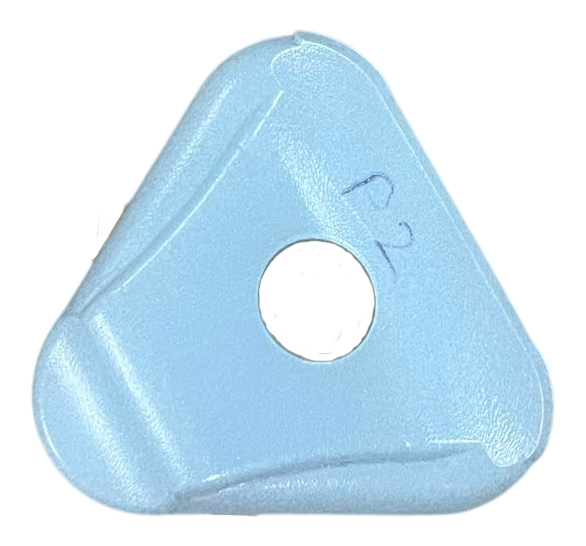
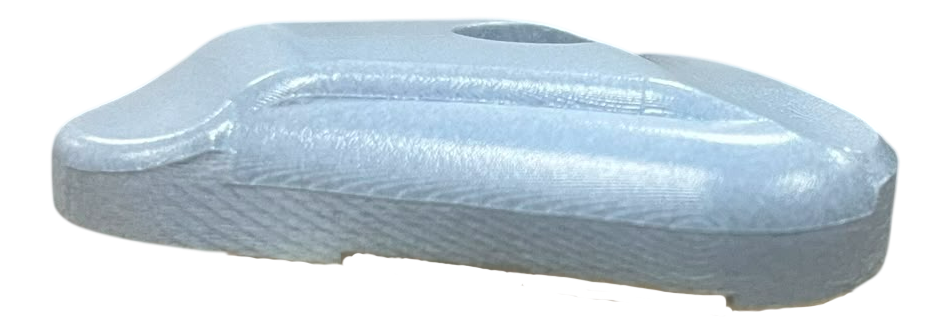
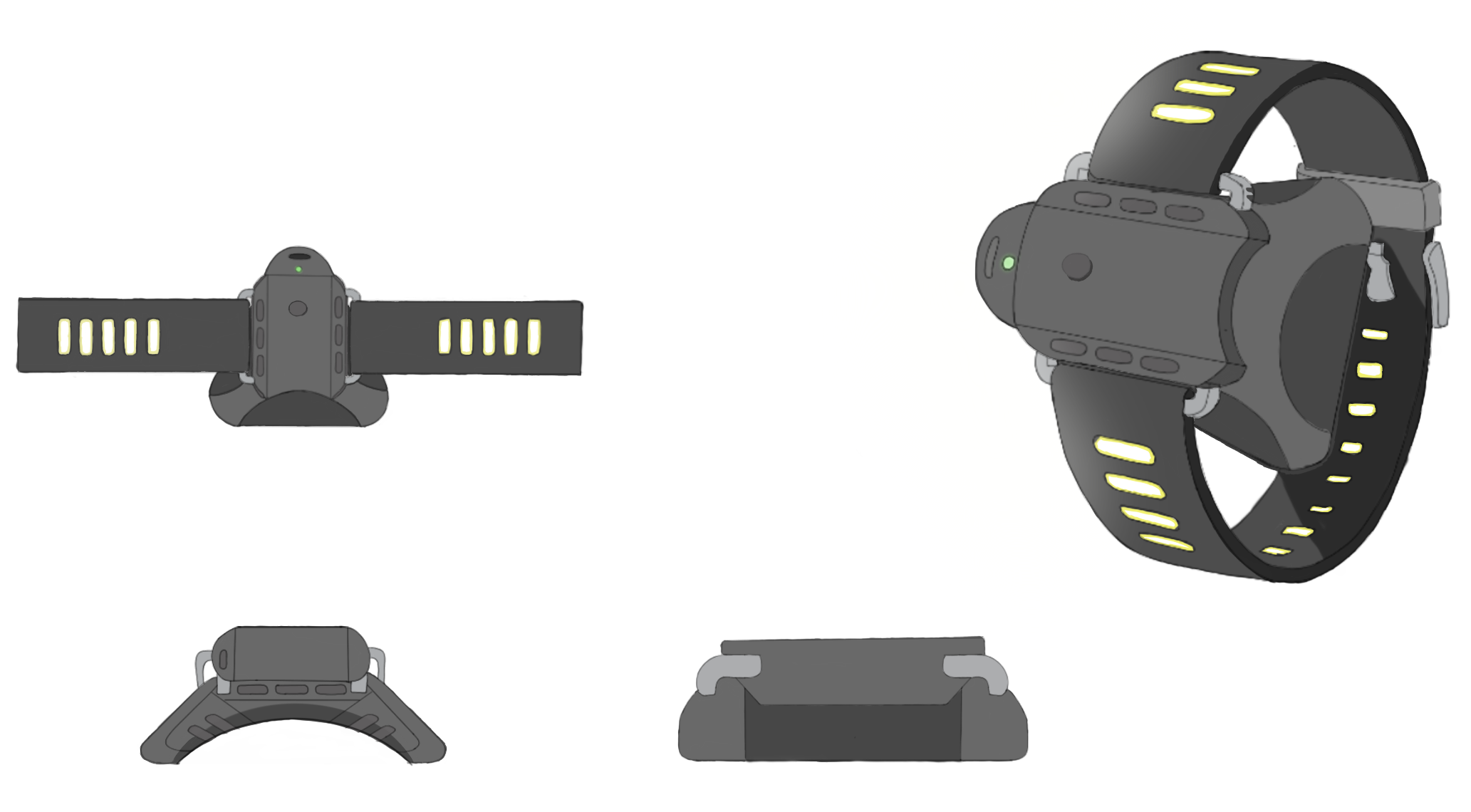
BuddhaCalm began with research into stress physiology and wearable ergonomics. Competitive benchmarking, mood board exploration, and user analysis shaped a direction for a discreet, body-worn form that integrates a pogo-pin contact array without sacrificing comfort or discretion.
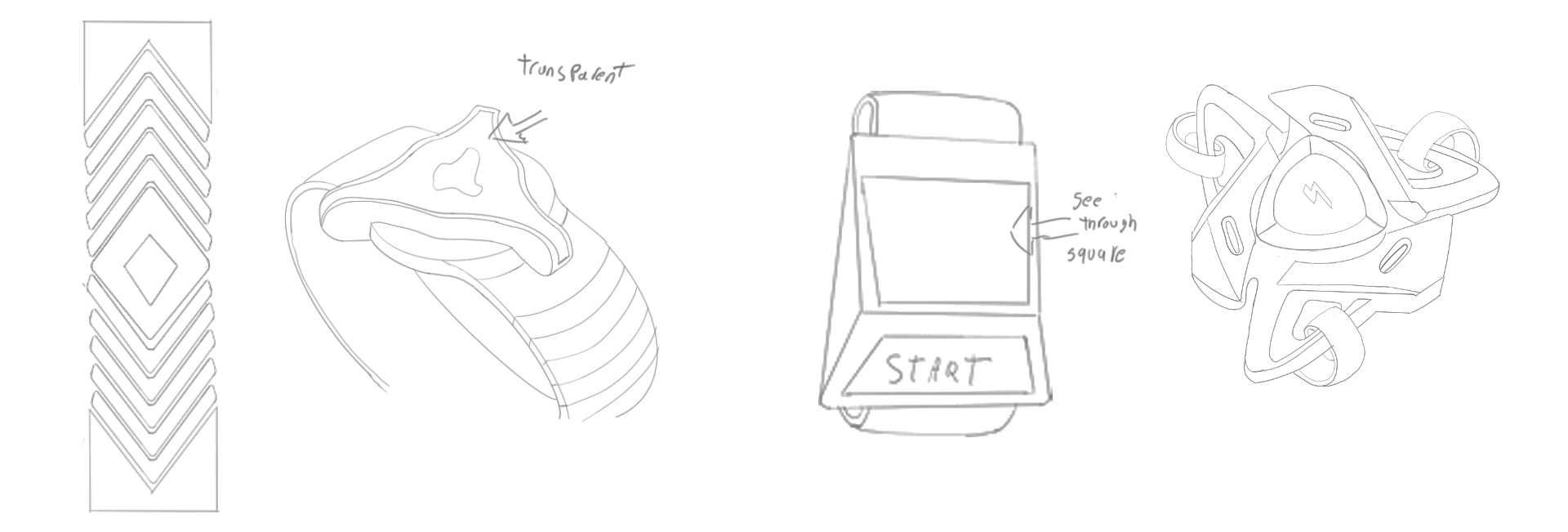
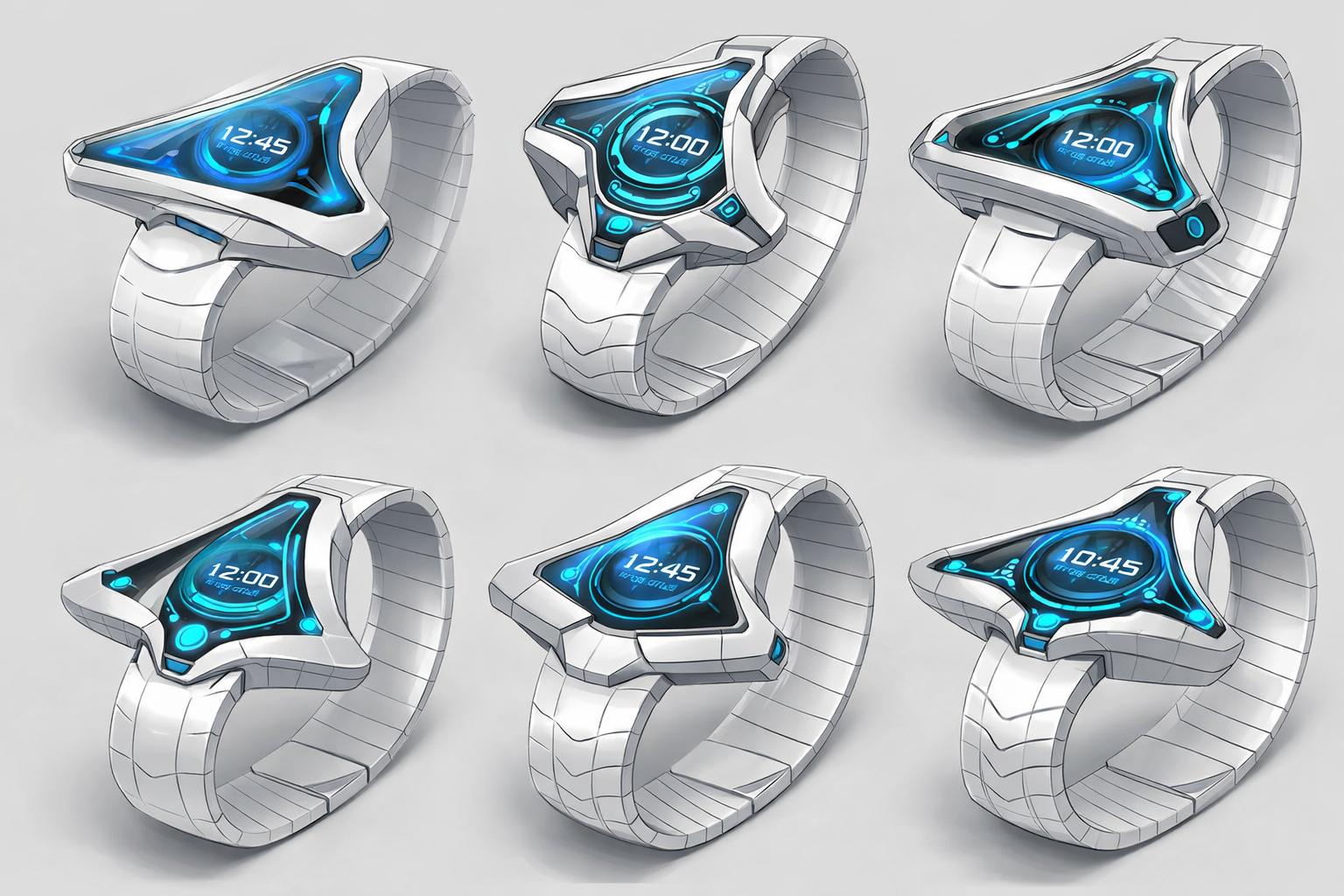
Visual identity developed in parallel with prototyping — the Lotus Bloom direction. Warmth, organic calm, and precision as a unified design language.
BuddhaCalm
PATENT PENDING / 2026
Georgia serif for headlines — warmth and authority. Zen Dots for clinical precision. The contrast is intentional: organic calm meets engineered trust.
The Lotus Bloom — a device at rest that opens through use. Packaging as ceremony. Warmth as trust signal. Precision as proof of craft.
Being the only designer on an engineering team means advocating for the user at every stage. These are three moments where design thinking changed the direction of the product.
The team defined our target audience as a broad adult age range. Too broad to design for — a 28-year-old office worker and a 55-year-old with chronic stress have completely different needs, postures, and expectations from a wearable.
I pushed back and led the team through a sharper user definition exercise — narrowing by lifestyle context, stress trigger type, and relationship with wellness technology.
A grounded persona that shaped every subsequent ergonomic, form, and interaction decision. Design anchored in a real human, not a demographic bracket.
Packaging wasn't on the team's roadmap. The engineers saw it as a post-production concern — something to solve after the hardware shipped.
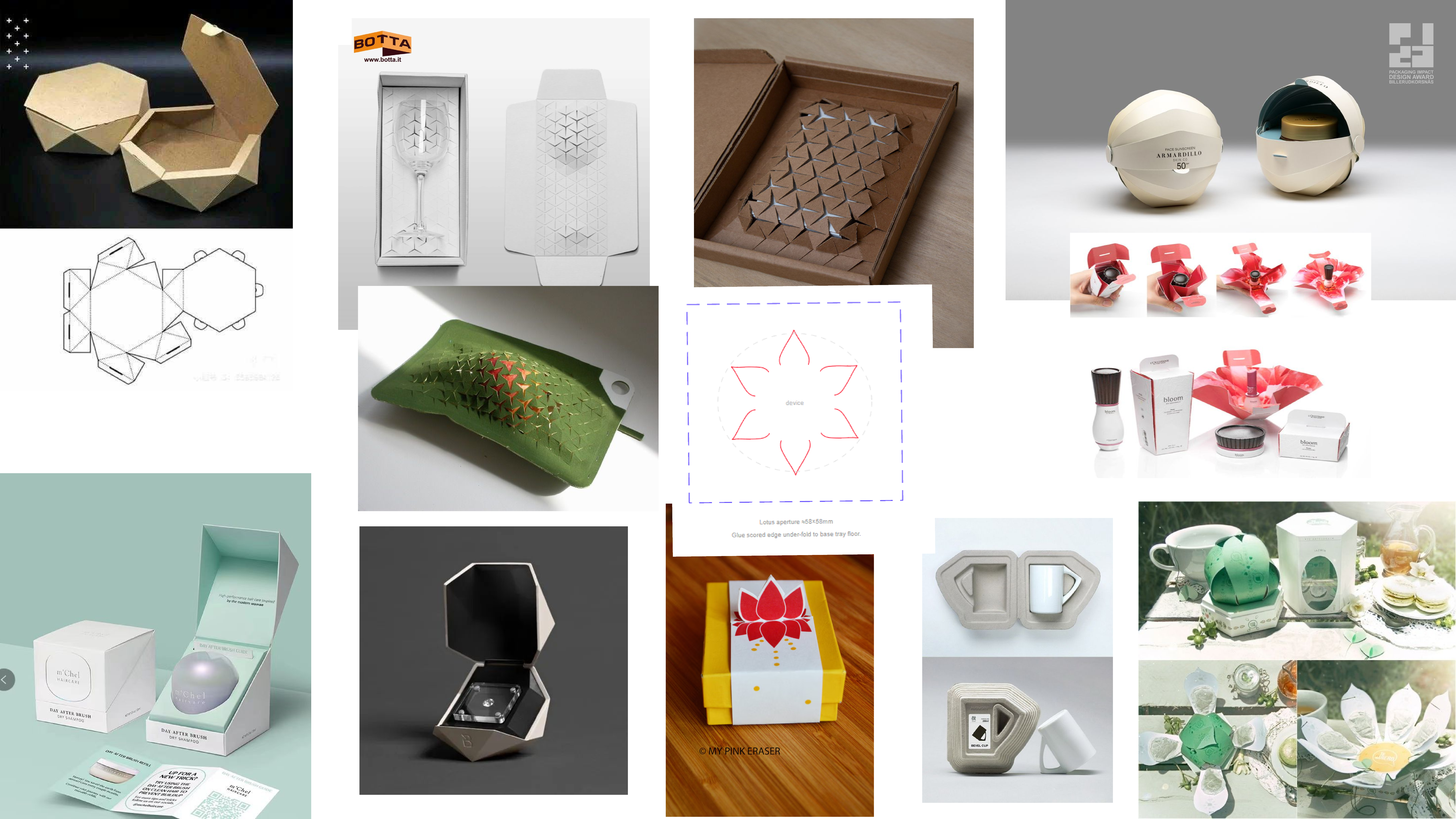
I raised it proactively: the unboxing moment is the first brand touchpoint. If packaging isn't considered before the form is locked, you lose the ability to design for it at all — the enclosure geometry constrains your options.
4 packaging concept directions developed in parallel with prototyping — origami unfold, stone vessel, scroll reveal, lotus bloom. The brand conversation started before hardware handoff.
The circuit engineer proposed exposing every output setting individually in the app interface — technically accurate, and a trust problem for a wellness product.
The average user has no reference point for "too much" intensity. Exposing raw controls without guidance puts the burden of safety on the user. I proposed progressive disclosure: 3 preset modes (Low / Medium / High) as the default interaction, with Advanced controls accessible through a deliberate extra step.
Progressive disclosure applied to a wellness hardware context — the right level of control, at the right moment of user trust.
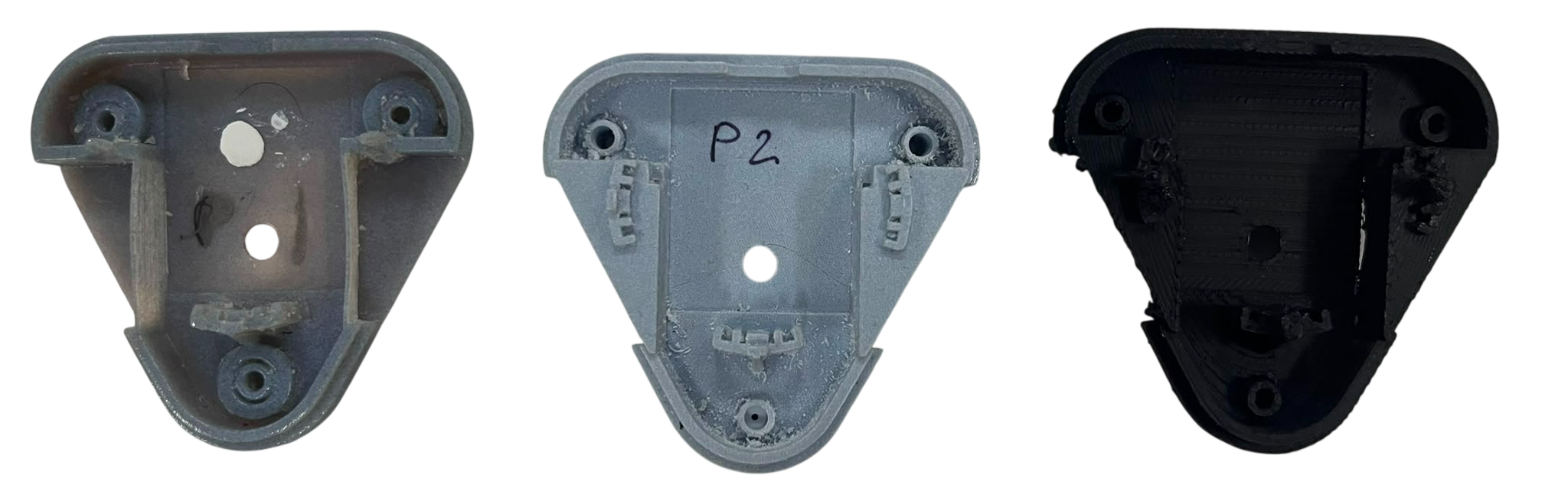
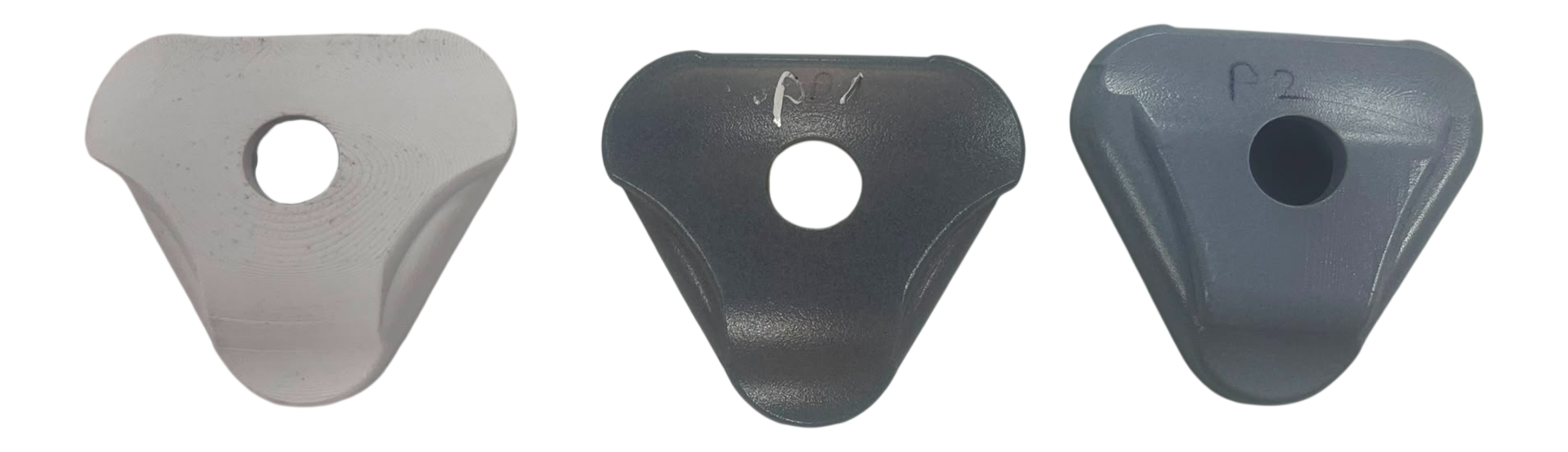
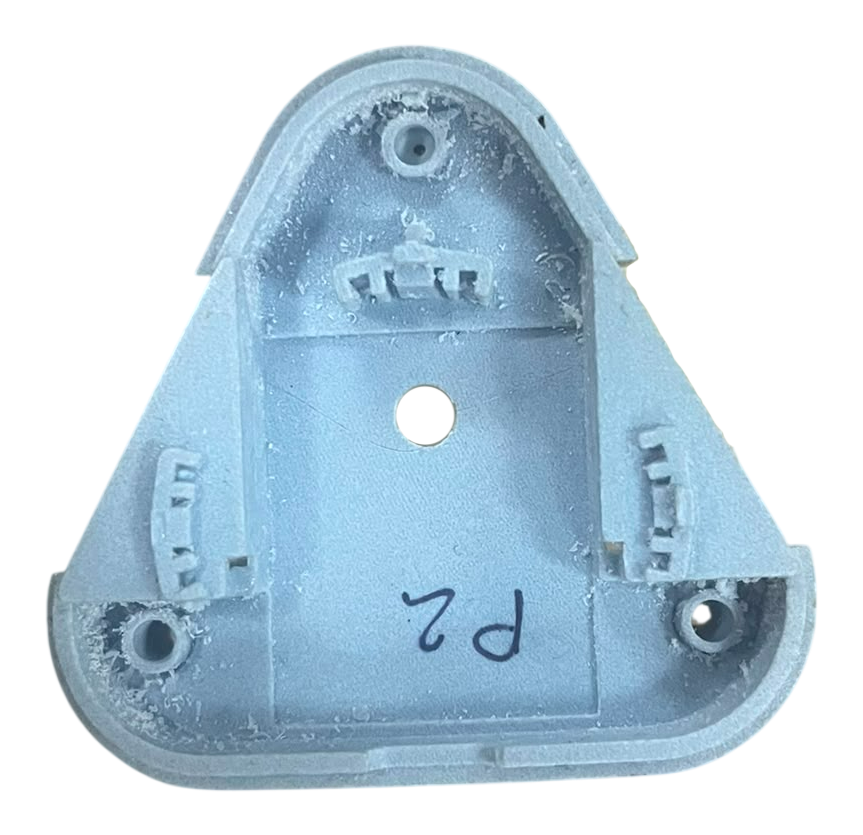
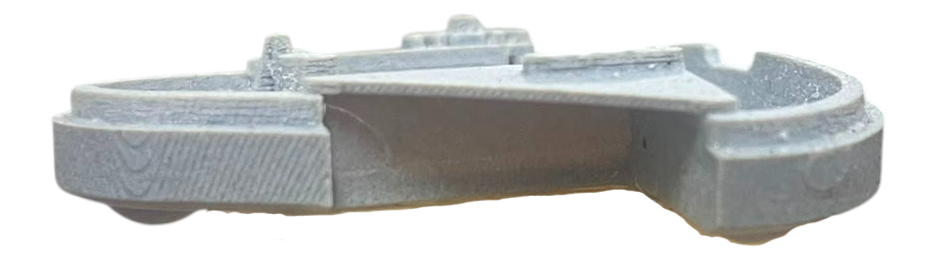
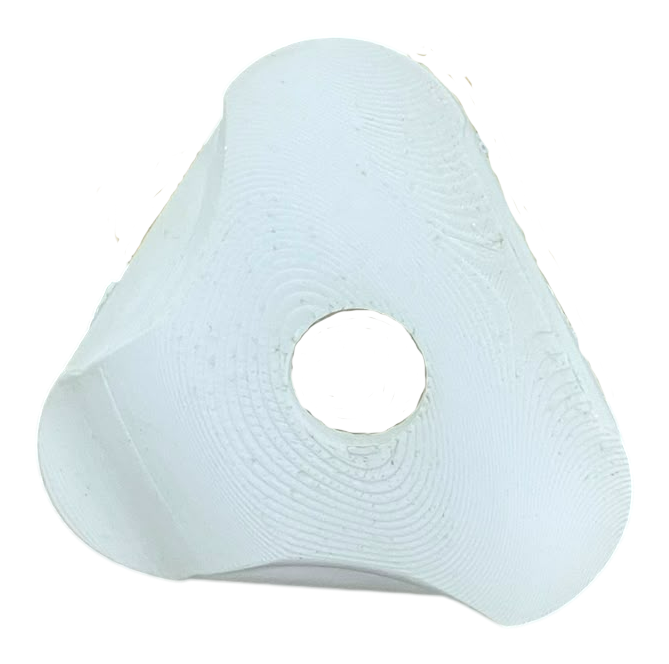
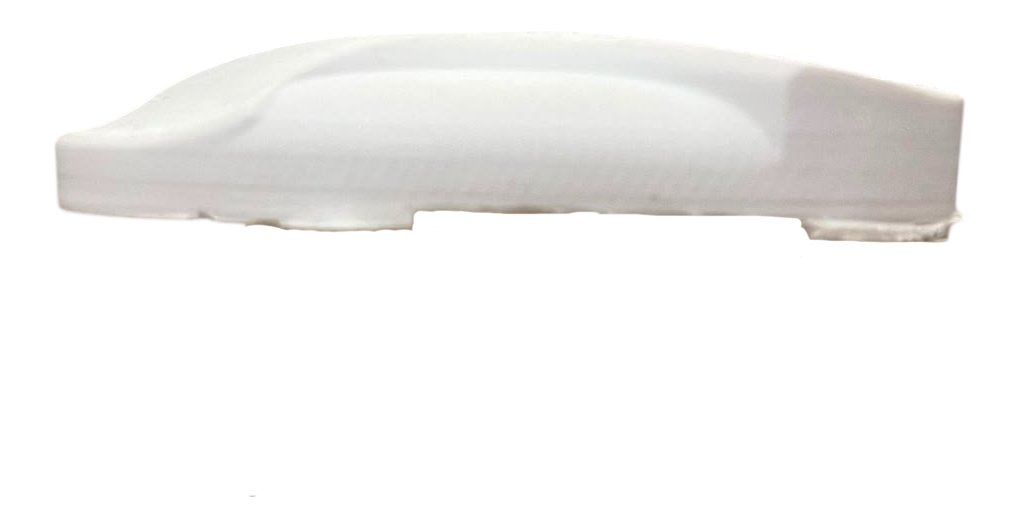
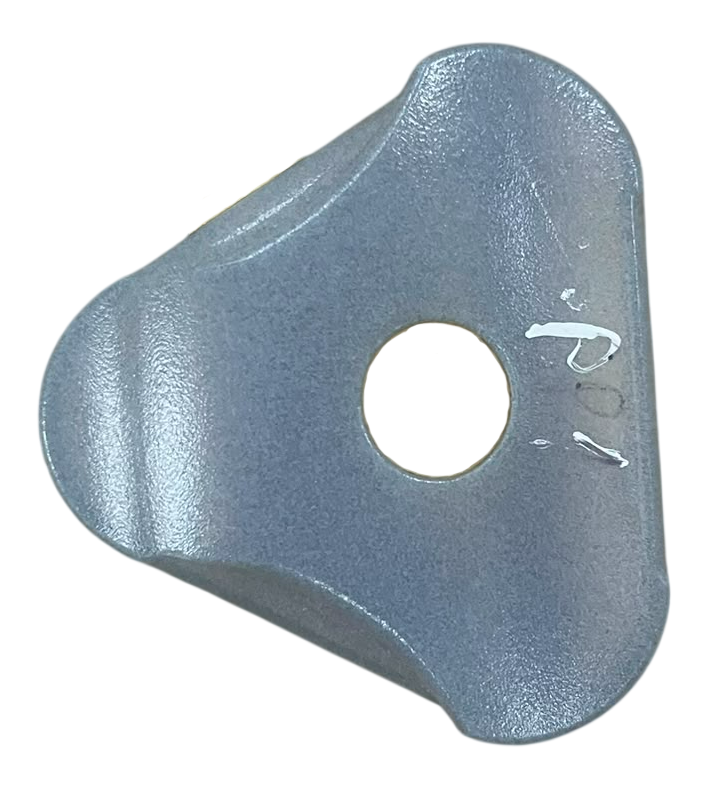
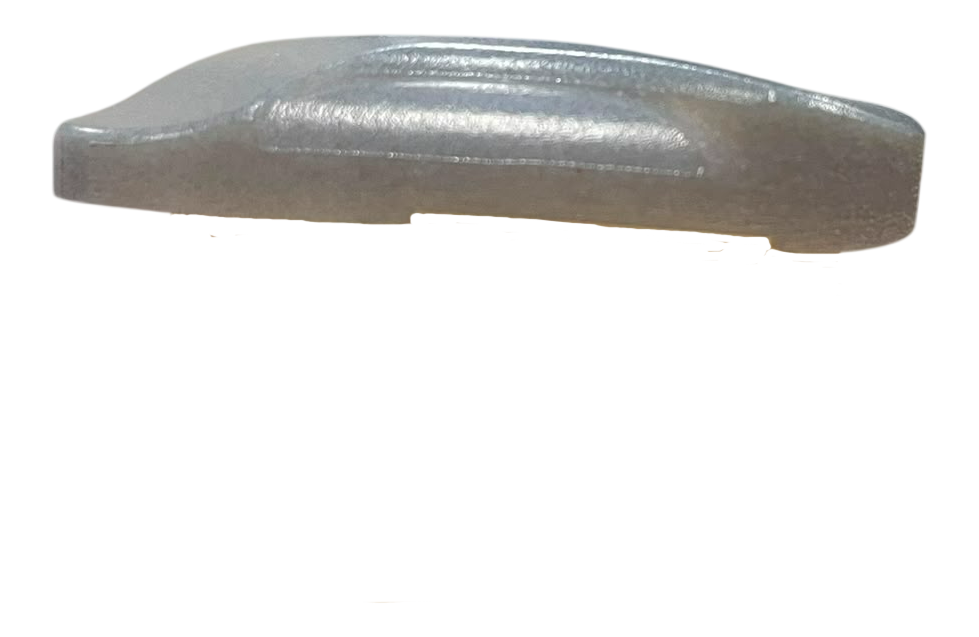
The core challenge was a 3-pogo-pin array spanning three mating components — PCB, contacts, and enclosure shell — that all had to line up for reliable contact. Positional tolerances were tightened through iterative SolidWorks geometry revisions across 6+ prototype cycles, before finalizing production drawings for hardware handoff.
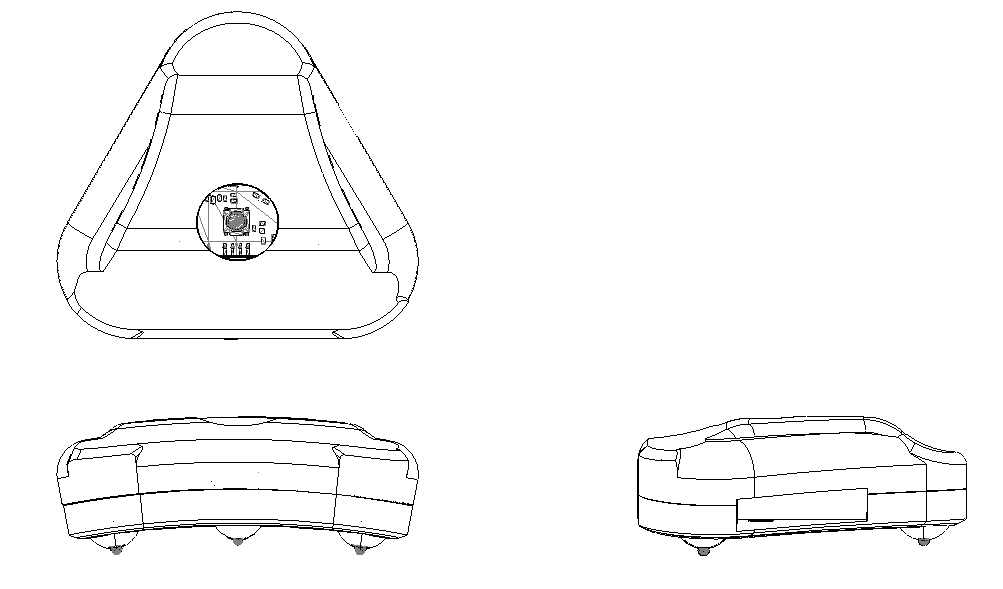
Enclosure designed for anatomy-aware body contact, integrating a triangular pogo-pin contact array, PCB, and production-ready form.